When we talk about the infamous Cruella De Vil, we're not just dissecting a character; we're embarking on a fascinating Comparative Analysis of Cruella Across All Adaptations that traces the evolution of villainy itself. From her shadowy literary origins to her vibrant, punk-rock big-screen reimagining, Cruella has consistently captivated audiences, proving that some antagonists are simply too compelling to remain one-dimensional. She's a fashionista, a force of nature, and a figure whose motives have shifted dramatically with the tides of storytelling.
At a Glance: Deconstructing Cruella
- Original Sin: Cruella's roots lie in Dodie Smith's 1956 novel, The Hundred and One Dalmatians, where she's a wealthy, fur-obsessed socialite.
- Animated Icon: Disney's 1961 film 101 Dalmatians cemented her as a quintessential, delightfully over-the-top cartoon villain.
- Live-Action Grandeur: Glenn Close's portrayal in the 1996 and 2000 live-action films brought her theatrical menace to life, leaning into exaggerated, campy evil.
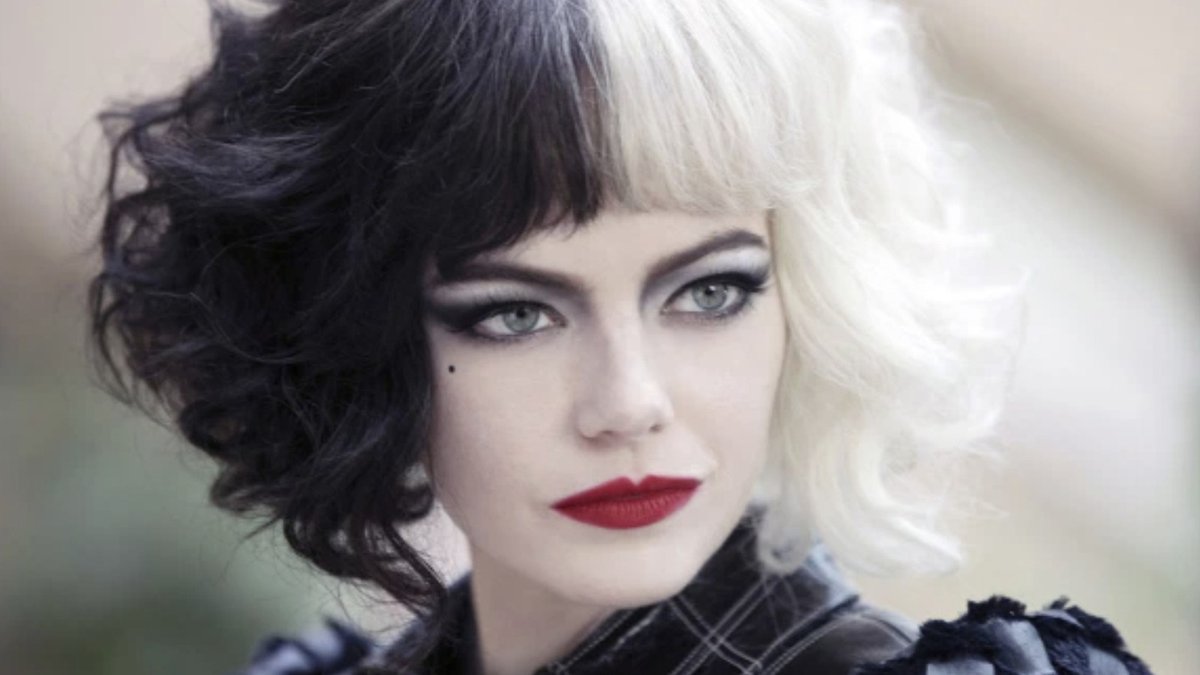
- The Origin Story: Emma Stone's Cruella (2021) boldly redefined her as a complex anti-heroine, exploring her traumatic past and transformation from Estella to the ruthless fashion icon, driven by revenge and a battle against an oppressive system.
- Shifting Morality: The most recent adaptation significantly blurs the lines between good and evil, offering a sympathetic, albeit still chaotic, origin for a character once considered pure malice.
- Fashion as a Weapon: Across all versions, fashion remains central to her identity and power, evolving from a symbol of excess to a tool for rebellion and self-expression.
The Many Faces of Cruella: Why Her Evolution Matters
Some characters simply refuse to stay confined to their original narratives. Cruella De Vil is one such icon. Over decades, she has been reinterpreted, redefined, and re-examined, each adaptation reflecting the sensibilities of its era and offering new insights into what makes a villain truly compelling. This isn't just about different actors or animation styles; it's a deep dive into how popular culture grapples with complex female antagonists, inviting us to explore the evolution of Disney villains and the changing face of cinematic evil.
Her story arc, especially in recent years, exemplifies a broader trend in storytelling: the desire to humanize villains, to understand their trauma, their motivations, and the circumstances that forged their darker selves. Through this lens, a simple dog-napping schemer transforms into a commentary on societal pressures, ambition, and the intoxicating allure of creative chaos.
Cruella's Genesis: A Glimpse into Her Evil's Humble Beginnings
Before the live-action spectacles and punk-rock anthems, Cruella De Vil first sprang from the pages of Dodie Smith's 1956 children's novel, The Hundred and One Dalmatians. Here, she's introduced as a menacingly thin, wealthy woman, obsessed with fur and driving a monstrous car. Her motivations are relatively straightforward: a desire for a coat made of Dalmatian pelts, fueled by pure, unadulterated vanity and a touch of madness. She's a caricature of upper-class decadence, driven by a singular, sinister goal.
Disney’s 1961 animated classic then brought her to vivid, terrifying life. With Milt Kahl's iconic animation and Betty Lou Gerson's chilling voice performance, this Cruella became the definitive version for generations. She's flamboyant, unpredictable, and genuinely frightening, yet with a comedic edge that makes her memorable. Her angular design, wild expressions, and signature cigarette holder are instantly recognizable. This Cruella is the embodiment of cartoon villainy – no complex backstory, just a pure, insatiable desire for spotted fur. Her evil is uncomplicated, almost childlike in its directness, making her a perfect foil for the innocent puppies and their loving owners.
Live-Action Incarnations: De Vil's Delight and Despair
The leap from animation to live-action brought with it opportunities to flesh out Cruella's character in ways the original formats couldn't. Each live-action portrayal chose a distinct path, building upon the iconic image while infusing new layers of personality and motivation.
Glenn Close's Cruella (1996 & 2000): The Grand Dame of Villainy
Glenn Close's portrayal in 101 Dalmatians (1996) and its sequel 102 Dalmatians (2000) offered the first major live-action interpretation, and it was nothing short of spectacular. Close's Cruella is a tour de force of theatrical menace, leaning heavily into the campy, over-the-top villainy hinted at in the animated film. She's a fashion designer, a CEO, and a woman consumed by a relentless obsession with fur.
Close’s Cruella is less subtly evil and more gloriously, unapologetically wicked. Her performance is a masterclass in physical comedy and exaggerated expressions, making her both terrifying and undeniably entertaining. Her motivations remain consistent with the original: a lust for the dalmatians' coats, fueled by an insatiable greed and a complete lack of empathy. Her world is one of opulence and cruelty, where animals are mere commodities and people are pawns. She doesn't seek revenge or transformation; she simply is the villain, reveling in her own wickedness. This iteration cemented the idea that Cruella's flamboyance is directly proportional to her evil.
Emma Stone's Cruella (2021): The Punk Rock Anti-Heroine
The 2021 film Cruella took a radical departure, offering an origin story that recontextualized everything audiences thought they knew about her. This adaptation dives deep into the character's troubled past, ambitions, and transformation, setting out to deconstruct villain origin stories with a punk-rock aesthetic.
From Estella to Cruella:
The film introduces Estella, a young girl with striking half-black, half-white hair—a visual motif of her dual nature. From an early age, she exhibits creativity, intelligence, and a rebellious streak, often suppressed by her mother, Catherine, who urges her to "be good." After a tragic incident involving the formidable Baroness von Hellman's Dalmatians, Estella finds herself orphaned and blames herself. She falls in with street-savvy thieves Jasper and Horace, honing her skills as a con artist while nurturing her true passion for fashion.
The Baroness and Cruella’s Awakening:
Estella's talent eventually catches the eye of the ruthless, narcissistic fashion mogul, the Baroness von Hellman. This mentorship quickly sours as Estella uncovers two devastating truths: the Baroness stole her mother's heirloom necklace, and, far more crucially, orchestrated Catherine's death, using her Dalmatians as weapons. This shocking revelation is the catalyst for Estella's rebirth. She sheds her meek identity, embracing Cruella, a bold, theatrical, and unpredictable persona driven by a fierce desire to outshine and destroy the Baroness.
The Fashion War and Grand Revenge:
The film transforms into a thrilling battle of wits and style, with Cruella using fashion as her primary weapon. She stages elaborate public stunts, crashing the Baroness's events with jaw-dropping, subversive outfits, symbolically burning gowns to reveal dazzling statements beneath, and defacing billboards with her punk manifesto. Each act of defiance is a rebellion against the oppressive, old-guard system the Baroness represents.
Cruella, with the help of Jasper and Horace, meticulously plots her final act of revenge. She tricks the Baroness into pushing her off a cliff—the very same cliff where her mother died—in front of high-society witnesses. However, Cruella survives (thanks to a hidden parachute), ensuring the Baroness's arrest for attempted murder. In a satisfying turn, she reclaims her family mansion, Hellman Hall, renaming it Hell Hall and solidifying her connection to the future events of 101 Dalmatians.
Themes and Symbolism:
Cruella (2021) is rich with themes beyond mere fashion:
- Identity & Transformation: Cruella's journey is about embracing one's true, often chaotic, nature. Estella’s initial suppression gives way to Cruella’s unapologetic self-expression.
- Revenge & Power: The conflict between Cruella and the Baroness is a high-stakes battle for dominance, influence, and survival, embodying the clash between old money/power and rebellious innovation.
- Fashion as a Weapon: Here, clothing isn't just aesthetic; it's a statement, a form of protest, and a tool to challenge authority. Every meticulously designed costume conveys dominance, defiance, and Cruella’s evolving persona. This powerful use of apparel underscores the power of fashion in cinema as a narrative element.
This Cruella is not purely evil; she is a product of trauma, ambition, and a quest for justice (albeit a dark and destructive one). She’s an anti-heroine, compelling audiences to root for her even as she descends into villainy, offering a stark contrast to her predecessors.
A Deeper Dive into the Cruella Archetype
Across these adaptations, Cruella remains a distinct, albeit evolving, archetype. Her core elements – an obsession with fashion, a flamboyant personality, and a connection to Dalmatians – persist, but their meanings and origins shift dramatically.
Fashion as a Narrative Device
In every incarnation, fashion is integral to Cruella's identity.
- Animated (1961): Her signature fur coat and cigarette holder are symbols of her decadent, destructive desires. They are external markers of her villainy, reflecting her superficiality.
- Glenn Close (1996/2000): Her elaborate, often fur-laden, costumes are extensions of her exaggerated personality. They scream opulence, power, and a campy disregard for others, becoming a visual shorthand for her over-the-top evil.
- Emma Stone (2021): Fashion transcends mere attire; it's her superpower, her art, and her weapon. Her designs are statements of rebellion, instruments of psychological warfare against the Baroness, and a manifestation of her true, unbridled self. The film brilliantly showcases how she doesn't just wear clothes; she crafts entire personas through them, mirroring the narrative of her own transformation.
Motivations and Psychologies: The Shifting Spectrum of "Villainy"
The most significant divergence across adaptations lies in Cruella's psychological depth and motivations.
- Pure Greed/Evil (Animated & Close): The earlier versions present Cruella as inherently, almost comically, evil. Her motivation is simple: she wants Dalmatian fur. There's no complex trauma, no underlying philosophical struggle, just a pure, unadulterated desire that makes her a classic, unambiguous villain. She enjoys being bad, almost for its own sake.
- Trauma/Revenge/Identity Crisis (Stone): The 2021 film completely upends this. Estella's transformation into Cruella is a direct response to profound trauma – the perceived loss of her mother, coupled with the discovery of the Baroness's villainy. Her "evil" is fueled by a desperate need for identity, recognition, and, most powerfully, revenge. She isn't born bad; she is made bad by circumstances and the influence of a truly malicious mentor. This portrayal aligns with contemporary cinema's tendency to create multi-dimensional characters who challenge traditional gender expectations and offer a nuanced understanding of female villains.
This shift reflects a modern storytelling approach where "villains" are often anti-heroes, given complex backstories that elicit empathy, or at least understanding. As the research by Stuart Hall on representation theory suggests, contemporary cinema actively defies traditional gender stereotypes by presenting female villains as agents of subversion and empowerment, embodying individual agency and autonomy.
Common Threads and Divergent Paths
Despite their differences, all Cruellas share a few undeniable characteristics that make her such an enduring character:
- Obsession: Whether it’s with fur, fashion, or revenge, Cruella is always driven by an all-consuming passion.
- Flamboyance: Her larger-than-life personality, theatricality, and love for dramatic entrances are consistent across all portrayals.
- The Signature Look: Her distinctive black-and-white hair (or wigs), striking makeup, and bold fashion choices remain central to her visual identity.
- Connection to Dalmatians: Even in the 2021 film, where the Dalmatians are tools of the Baroness, they remain a pivotal element in Cruella's origin, albeit not as direct objects of her desire for fur initially.
However, the paths they take diverge dramatically: - Moral Ambiguity: The greatest divergence is the shift from unambiguous evil (animated, Close) to complex anti-heroine (Stone), blurring the lines of villainy.
- Origin of Madness: The older versions simply are mad; the 2021 film meticulously crafts the making of a madwoman, rooted in trauma and injustice.
- Relatability: The earlier Cruellas are figures to be feared and despised. Emma Stone's Cruella, despite her destructive actions, is someone audiences can empathize with, understanding the roots of her rebellion and her quest for identity. She's less about pure malice and more about a chaotic pursuit of self-actualization.
Beyond the Screen: Cruella's Cultural Impact
Cruella De Vil endures as a pop culture icon because she represents something primal: the allure of rebellion, the power of self-expression, and the fascination with transgression. She’s not just a villain; she’s a cultural touchstone. Her character has played a significant role in redefining female antagonists in media, moving them beyond simplistic, one-dimensional roles. She demonstrates that female villains can be complex, stylish, and compelling, embodying agency and autonomy while still grappling with the lingering impacts of gender stereotypes in their portrayal.
Her journey, particularly in the 2021 film, offers a powerful commentary on the idea that sometimes, the "villain" is simply a product of a broken system, or a response to profound injustice. She challenges us to reconsider our easy judgments, reminding us that every story has multiple sides. It’s a compelling journey into the heart of a character who refuses to be ignored, much like her iconic fashion statements refuse to blend into the background. Perhaps this is why audiences are continually drawn to explore the world of Cruella De Vil and her ever-evolving narrative.
Decoding Cruella: Your Burning Questions Answered
Understanding Cruella across her various iterations can raise many questions. Here are some common ones, addressed with clarity:
Is Cruella (2021) a villain or an anti-hero?
While the film sets her on a path that leads to the familiar antagonist, Emma Stone's Cruella is primarily an anti-heroine. She commits morally questionable acts but is driven by a quest for revenge against a truly evil figure (the Baroness) and a desire to embrace her authentic, albeit chaotic, self. She isn't motivated by pure malice or greed for fur at this stage, but by trauma and a fight against oppression.
Which Cruella is the "most evil"?
The animated (1961) and Glenn Close (1996/2000) versions are arguably "more evil" in their direct, unrepentant pursuit of harm (killing puppies for fur). Emma Stone's Cruella, while destructive and manipulative, has a sympathetic origin and motivations rooted in trauma and revenge, making her evil more nuanced and contextual.
Why does Cruella hate Dalmatians in the original story?
In Dodie Smith's novel and the earlier Disney adaptations, Cruella doesn't necessarily "hate" Dalmatians in an emotional sense; rather, she sees them as a resource for her fur obsession. She views them as objects, not living beings, making her lack of empathy her defining characteristic regarding the dogs. The 2021 film re-frames the Dalmatians as tools of the Baroness, further complicating their role in Cruella's psyche.
How does fashion define Cruella in each adaptation?
In the 1961 animation, fashion signifies her superficiality and wealth. For Glenn Close's Cruella, it's a tool of power and a reflection of her extravagant, over-the-top villainy. In Cruella (2021), fashion is her identity, her art, her rebellion, and her weapon—a means to express herself and challenge authority.
Will there be a sequel to Cruella (2021)?
Yes, a sequel to Cruella (2021) is reportedly in development, with Emma Stone expected to return. This suggests further exploration of her character's descent into the iconic villainy we know, potentially bridging the gap to the events of 101 Dalmatians.
Embracing the De Vil Within (or Not): Your Takeaway
The comparative analysis of Cruella across all adaptations isn't just an academic exercise; it's a testament to the enduring power of a truly compelling character. She challenges us to look beyond the surface, to question motivations, and to appreciate the intricate dance between good and evil. Whether you prefer the delightfully wicked cartoon villain, the campy grandeur of Glenn Close, or the punk-rock anti-heroine of Emma Stone, each version of Cruella offers a unique window into the fascinating evolution of a character who, despite her flaws, remains utterly unforgettable.
Her story is a reminder that villains aren't always born; sometimes, they're made, forged in the fires of ambition, trauma, and a fierce desire to reclaim their narrative. So, the next time you encounter Cruella, consider not just what she does, but why she does it, and how her story continues to reflect and shape our understanding of villainy itself.