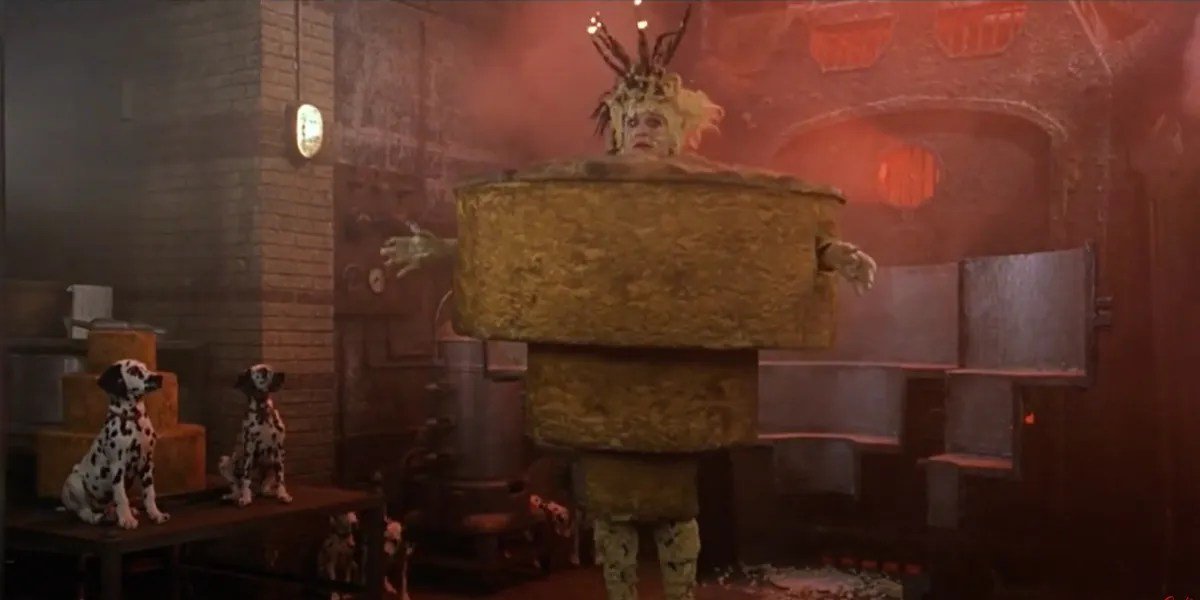
Cruella's Role and Impact Defines 101 Dalmatians Franchise Villainy
Mention the name "Cruella" to anyone, and images of a gaunt, glamorous, and utterly menacing woman with a penchant for fur coats immediately spring to mind. Her malevolent spirit, fashion-forward cruelty, and relentless pursuit of the impossible—a coat made entirely of Dalmatian puppies—have cemented Cruella's role and impact in the 101 Dalmatians franchise as nothing short of foundational. She isn't just a villain; she is the villain that defines the story, its tension, and its enduring legacy.
At a Glance: Cruella De Vil's Enduring Legacy
- Origin: Created by Dodie Smith in 1956, solidified by Disney's 1961 animated classic.
- Defining Trait: Obsession with fashion, specifically turning Dalmatian puppies into a fur coat.
- Iconic Look: Striking black-and-white hair, dramatic fur coat, exaggerated style—designed by Marc Davis.
- Personality: Vain, greedy, cruel, manipulative, utterly devoid of empathy.
- Narrative Role: The relentless antagonist driving the entire plot, representing pure evil.
- Lasting Impact: A cultural icon of villainy, inspiring numerous adaptations and becoming one of Disney's most recognized antagonists.
The Genesis of a Fashionably Fiendish Foe
Before she snarled her way into animated history, Cruella de Vil sprang from the imagination of British author Dodie Smith. Her 1956 novel, The Hundred and One Dalmatians, introduced the world to this larger-than-life character, setting the stage for one of Disney's most memorable adaptations. When Disney released its animated masterpiece in 1961, directed by Clyde Geronimi, it didn't just bring Smith's story to life; it etched Cruella into the collective consciousness as a figure of unparalleled animated villainy.
Her very name, a clever and chilling play on "cruel" and "devil," was no accident. It perfectly encapsulated the malevolent nature and complete absence of a moral compass that would come to define her. She exists in a world driven by luxury and a ruthless, almost predatory, pursuit of high fashion, embodying a chilling blend of vanity and villainy that resonated deeply with audiences then and continues to do so now.
An Unforgettable Image: Cruella's Iconic Design Language
Much of Cruella's immediate and lasting impact can be attributed to her striking visual design. Animator Marc Davis, a legend among Disney's "Nine Old Men," was responsible for crafting her unforgettable look. Imagine a whirlwind of dramatic contrasts: her signature split black-and-white hair, a glamorous fur coat draped over an unnaturally gaunt frame, and a collection of gaudy, over-the-top clothing. This isn't just fashion; it's a visual manifesto of her character.
The stark black-and-white palette, in particular, wasn't merely an aesthetic choice; it was a deliberate visual metaphor. It screams duality: at once glamorous and grotesque, beautiful on the surface yet monstrous within. This visual language instantly communicates her sinister nature, making her instantly recognizable and deeply unsettling, long before she utters a single cruel word.
Driven by Design: The Obsession with Dalmatian Fur
At the dark heart of Cruella's character lies an obsession so potent it fuels the entire narrative: her insatiable desire for fur. Not just any fur, mind you, but the uniquely spotted pelts of Dalmatians. The moment she learns of Pongo and Perdita's litter of adorable puppies, a sinister plan takes root in her mind, germinating into a single, terrifying goal: to transform their innocent fur into a coat that would undoubtedly be the envy of her cruel, high-fashion world.
This fixation isn't merely a quirky character trait; it's the engine of the plot. Cruella's sinister agenda revolves entirely around kidnapping the puppies, driven solely by her vanity and the perceived status a Dalmatian fur coat would confer upon her. She exhibits an utter lack of empathy for animals, seeing them not as living beings, but as raw materials for her next grotesque fashion statement. This defining characteristic showcases the pure, unadulterated selfishness that positions her as the ultimate antagonist.
The Anatomy of Cruelty: Deception, Manipulation, and Pure Selfishness
Cruella's lack of morality isn't just passive; it's active and aggressive. She's a force that will exploit, harm, and manipulate others to achieve her own selfish desires. You see her using her immense wealth and social influence as tools, bending others to her will with a chilling ease. This isn't just about puppies; it's about a fundamental disregard for any being that stands between her and what she wants.
Driven by pure greed and an almost pathological selfishness, Cruella remains utterly dismissive of the suffering she causes. Her interactions with others are frequently laced with sarcasm, disdain, and a chilling absence of genuine human connection. She views the world, and everyone in it, as existing merely to serve her whims. This makes her not just a villain, but a representation of unchecked entitlement and the destructive power of vanity.
Her Bumbling Minions: Jasper and Horace
No truly great villain operates alone, and Cruella is no exception. She orchestrates her nefarious schemes with the reluctant, often incompetent, assistance of two bumbling henchmen, Jasper and Horace. These two serve as more than just comic relief; their loyal, if often grumbling, adherence to Cruella's commands highlights her undeniable dominance and manipulative prowess.
Despite their frequent bungles, their willingness to follow her orders underscores Cruella's ability to coerce and control, extending her ruthlessness beyond just animals to the people in her orbit. This dynamic further solidifies her role as a master manipulator, capable of bending others to her will, regardless of their own misgivings or lack of intelligence.
The Heart of the Story: Cruella as the Driving Antagonist
The very pulse of 101 Dalmatians beats to the rhythm of Cruella's terrifying desire. Her relentless pursuit of the puppies forms the central conflict, transforming Pongo and Perdita's innocent family life into a desperate mission for survival. Cruella isn't just a character in the story; she is the character that ignites the adventure, pushing the canine protagonists to their limits and inspiring their heroic journey.
Her role is one of pure, unadulterated villainy, a constant, palpable threat to the puppies' safety. She provides the necessary dramatic tension, fueling the suspense and pushing the narrative forward. Who can forget her dramatic fits of rage, her wild, cackling laughter, or her exaggerated expressions when her meticulous, albeit evil, plans begin to unravel? These moments are iconic precisely because they showcase the depth of her madness and desperation.
The film's climax is a thrilling chase, a cat-and-mouse game where Cruella, in her signature luxury car, relentlessly pursues the disguised Dalmatians. Her attempts to capture the dogs and exact revenge are ultimately thwarted by the cunning teamwork of Pongo, Perdita, and their vast network of animal allies. Her plans spectacularly fall apart, leaving her humiliated, defeated, and quite literally in a ditch. This chaotic, satisfying defeat isn't just the end of a chase; it represents a profound victory for love, compassion, family, and the power of unity over pure malice. For a deeper dive into everything that makes her tick, you'll want to check out The complete Cruella De Vil guide.
Beyond the Screen: Cruella's Enduring Cultural Legacy
Cruella de Vil transcended the animated screen to become an enduring figure in popular culture, recognized far beyond the confines of the 101 Dalmatians narrative. Her distinct brand of villainy, iconic fashion, and unforgettable personality have solidified her status as one of Disney’s most iconic and enduring antagonists. Her influence is vast, inspiring numerous adaptations across various media.
From animated sequels and television series to stage productions, Cruella's presence has been consistently felt. Most notably, the 2021 live-action film Cruella, starring Emma Stone, offered a fascinating and critically acclaimed exploration of her backstory. This adaptation delved into her origins, motivations, and the complex path that led her to become the notorious villain we know. It added layers of nuance, pain, and rebellious spirit to her character, showing that even a figure synonymous with evil can have a compelling, if dark, genesis.
Despite these new interpretations, which often seek to humanize or explain her, the Cruella of 101 Dalmatians remains a quintessential villain. She is the gold standard for fashion-obsessed cruelty, a symbol of unchecked vanity, and a chilling reminder of how easily obsession can twist into pure evil.
What Makes Cruella an Undying Icon of Villainy?
Cruella's role isn't merely to be "the bad guy." Her impact is profound because she embodies a specific, recognizable kind of evil that resonates with audiences. She's not a sorceress with magical powers or a tyrannical queen seeking ultimate dominion. Her villainy is disturbingly human: driven by superficial desires, a pathological lack of empathy, and an almost artistic commitment to her own cruel aesthetic.
Her unwavering focus on the puppies' fur, rather than a more abstract goal, makes her threat tangible and visceral. You can understand her motivation, even as you recoil from it. This clarity of purpose, combined with her exaggerated personality and memorable design, creates a character that is both terrifying and oddly compelling. She represents the seductive allure of vanity taken to its absolute extreme, showcasing how easily obsession can morph into depravity. Her continued relevance across generations and diverse adaptations proves that some villains are simply too perfect, too poignant, to ever truly fade away. She's a timeless archetype of the fashionable monster.
Understanding the Unforgivable
Ultimately, Cruella's role and impact in the 101 Dalmatians franchise go far beyond providing a simple antagonist. She's a masterclass in character design, a vivid exploration of unchecked ego, and a powerful narrative device that drives themes of family, courage, and the triumph of good over insidious evil. As the franchise continues to evolve with new stories and interpretations, one thing remains constant: Cruella de Vil, in all her glamorous, wicked glory, will forever be the pulsating, black-and-white heart of its villainy, a character designed to shock, enthrall, and ultimately, be defeated. She serves as a stark reminder that sometimes, the most terrifying monsters are those cloaked in couture.